Non-Powered vs. Powered Amusement Parks: How Should Outdoor Playground Investors Choose?
83 °CIf you're planning an outdoor playground, should you choose non-powered or powered playground equipment? This choice not only affects the efficiency of your millions of dollars in investment but also directly impacts the success or failure of its future operation. As a source manufacturer of amusement equipment with 23 years of experience in the industry, COWBOY INDUSTRIAL (GUANGDONG) CO, LTD, based on experience from tens of thousands of projects, provides you with an in-depth analysis of the core differences between the two types of equipment and why more and more outdoor playgrounds are choosing non-powered solutions.
I. What are Non-Powered playground equipment? What are Powered playground equipment?
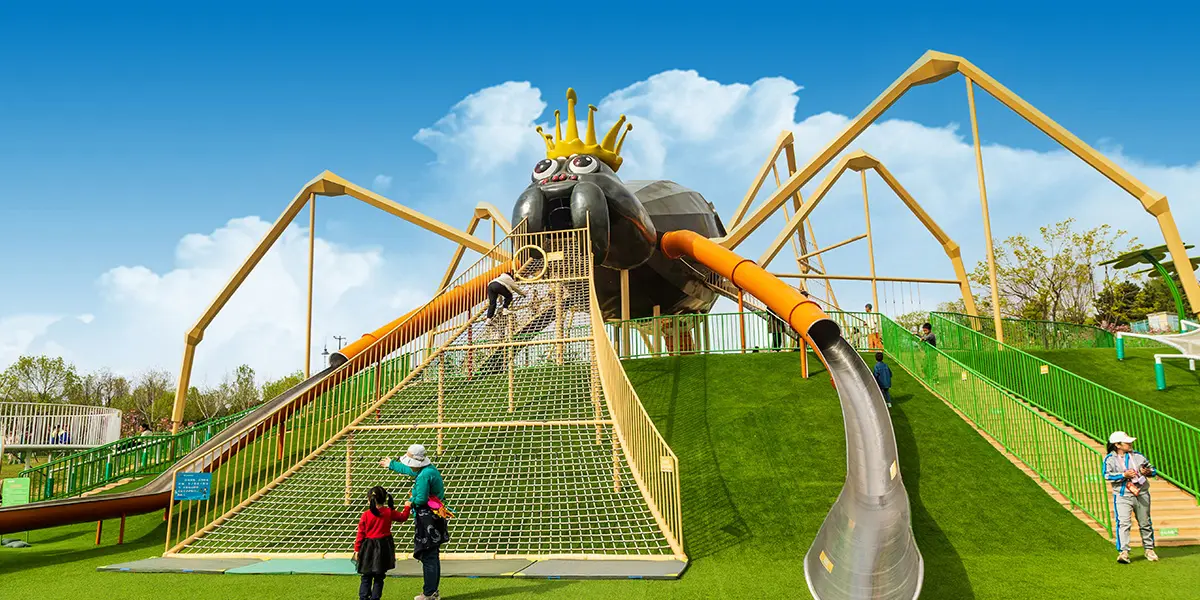
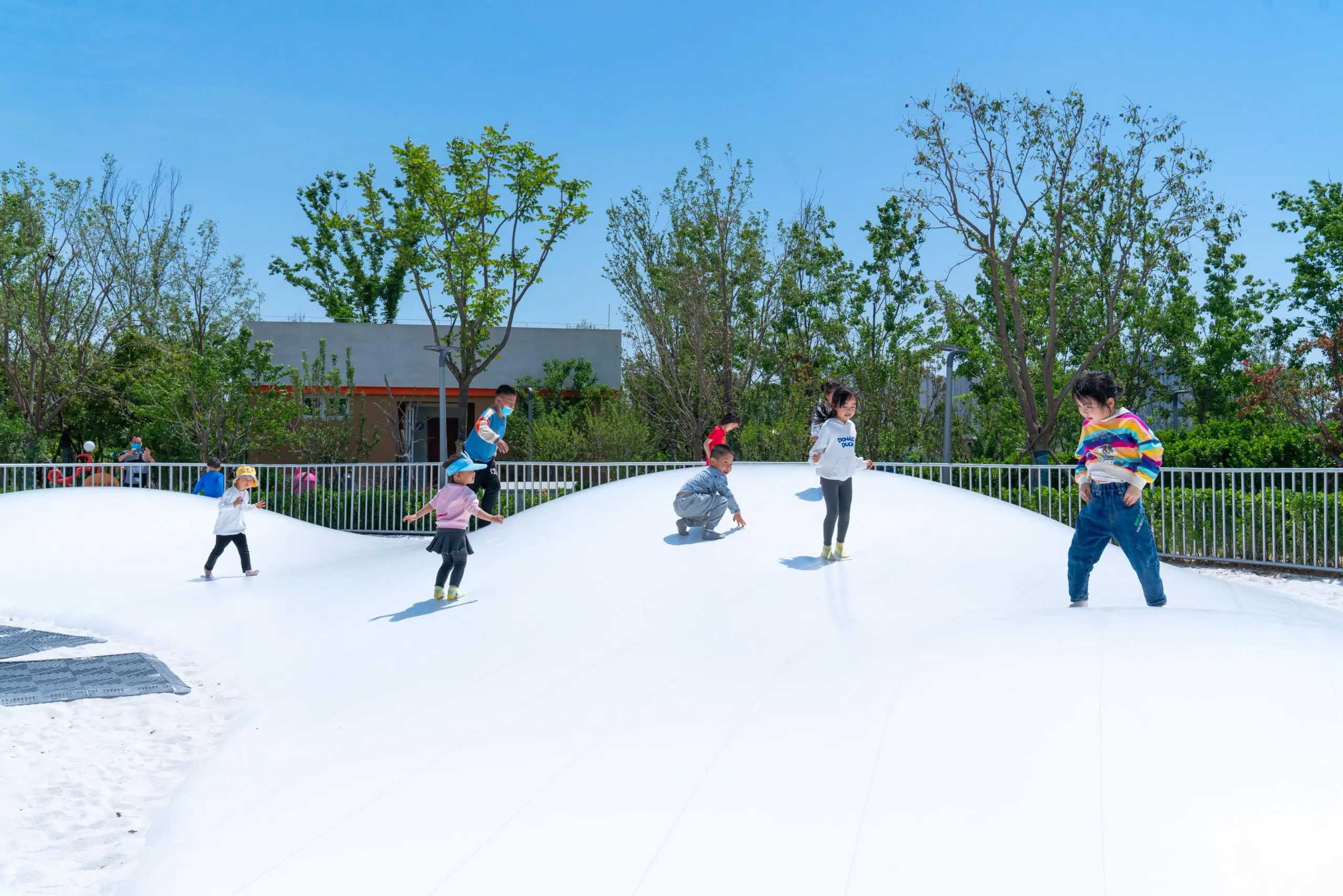
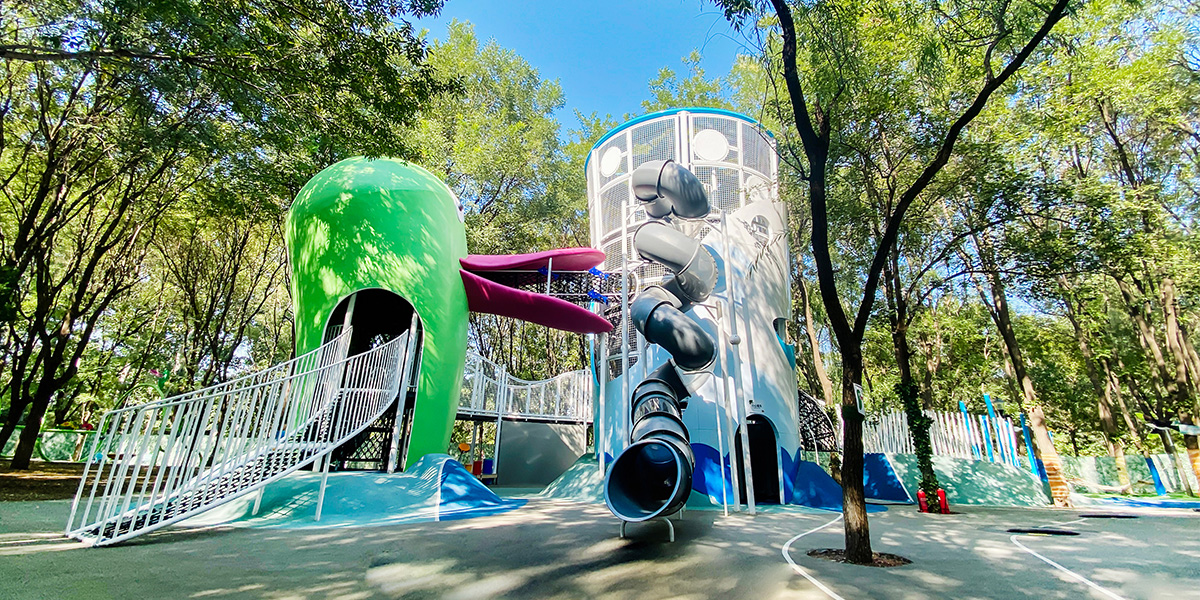
Non-powered amusement park equipment refers to facilities that do not rely on any electricity or mechanical power, but only on the participant's own weight, physical strength, and skills to complete the ride. Typical products include climbing nets, slide combinations, swings, balance beams, Ninja Course, trampoline park, etc. The core characteristic of this type of equipment is that it "moves when people move and stops when people stop," with the rhythm of play entirely controlled by the participants.
Powered amusement equipment refers to facilities that rely on external power sources such as electricity, hydraulics, or pneumatics. Typical products include carousels, pirate ships, bumper cars, miniature trains, elevators, Ferris wheels, etc. The core characteristic of this type of equipment is that it "starts and stops instantly," with the rhythm of play determined by the equipment itself.
The key difference between the two lies in their energy drive: non-powered facilities rely entirely on natural forces (such as gravity and inertia) or human kinetic energy to operate, requiring no external electricity or fuel; powered facilities, on the other hand, require external energy sources such as electricity or fuel, generating movement through systems like motors and hydraulics.
II. Why do outdoor playgrounds mostly use non-powered solutions?
1. Lower investment costs and shorter payback period
In terms of initial investment, non-powered equipment has a significant advantage. For example, a medium-sized (1,000 m²) outdoor non-powered playground costs approximately 110,000–210,000 USD for equipment procurement and installation; while a powered playground of the same size might cost 210,000–420,000 USD just for the core power equipment. Compared to powered playgrounds, the overall investment for non-powered facilities can be 30%–50% lower.
2. Extremely low operating costs, worry-free and cost-effective
This is the area with the biggest difference between the two.
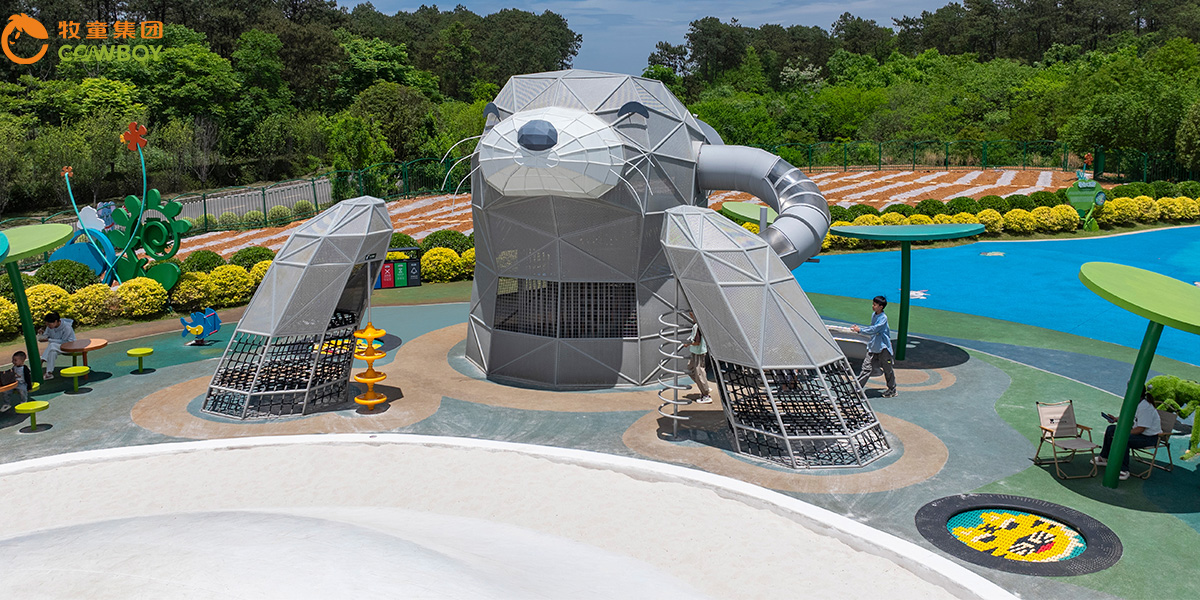
Non-powered playground rides have no motors, gearboxes, or complex control systems. Maintenance mainly involves periodically checking fasteners, cleaning surfaces, and replacing worn ropes or soft padding. Annual maintenance costs typically do not exceed 2-3% of the total investment. More importantly, non-powered rides consume zero energy—no electricity costs are incurred.
Powered playground rides are entirely different: motors require maintenance, gears require lubrication, and control systems require regular inspections by professional technicians.
The comparative data is even more telling: the operating cost (OPEX) of a non-powered amusement park is less than a quarter of that of a powered amusement park; daily electricity consumption is only 1/15 of that of powered equipment of the same area, and no certified operators are required.
3. Higher safety and simpler management accidents
Involving non-powered facilities mostly stem from structural aging or improper use, which can be prevented through regular visual inspections. The risks are usually localized, and the impact is controllable. The probability of safety accidents caused by equipment malfunctions is extremely low—the accident rate of well-managed large non-powered amusement equipment is approximately 75% lower than that of traditional electrically powered equipment.
Powered equipment involves systemic risks: mechanical failures such as motor overheating, control system malfunctions, and transmission component breakage can all lead to safety accidents, requiring more frequent daily, weekly, and annual professional inspections. Operators also need to be certified (e.g., special equipment operation certificates), further increasing labor costs and management complexity.
In terms of staffing, non-powered equipment mainly requires safety inspectors to guide tourists and maintain order; personnel training is relatively simple. Powered play equipment, in addition to safety inspectors, requires dedicated operators for each device, significantly increasing labor costs.
4. High degree of environmental integration and strong adaptability
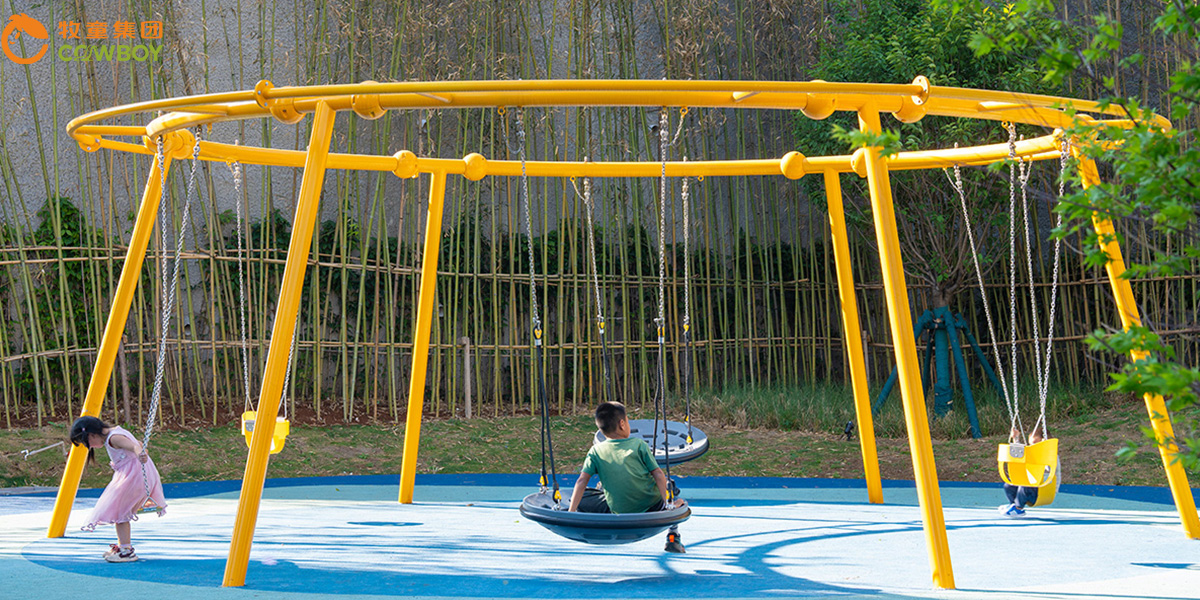
Non-powered equipment uses environmentally friendly materials, allowing it to blend better with nature and be flexibly assembled to create various uniquely shaped and colorful recreational projects. The equipment design deeply integrates with the natural environment, achieving an ecological integration effect where "the facility is the landscape."
In terms of site adaptability, non-powered equipment is flexible in layout and has low site requirements, making it particularly suitable for outdoor locations such as parks, scenic spots, and community public spaces. In contrast, powered equipment requires additional investment in power capacity expansion, control systems, and safety protection, placing higher demands on site and infrastructure.
III. Advice for Investors
If you are planning an outdoor playground, the following points are worth considering:
Site Selection Priority: Prioritize areas with convenient transportation and stable foot traffic, such as within scenic areas, parks, near large residential communities, or around commercial complexes. Non-powered equipment has lower site requirements and can adapt to various terrains, including slopes and narrow spaces.
Focus on Differentiation: Simply "piling up equipment" is insufficient to retain customers. It's necessary to integrate operational content (activities, community, membership systems) or incorporate themed IP. Non-standard customization + themed IP + diversified business formats (camping, educational activities, catering) have become key to profitability.
Age-Segmented Design: According to playground zoning guidelines,divide the playground into different functional zones. For example, a children's exploration area (2-5 years old) could include small slides, sandpits, and balance beams, with heights controlled within 1.2 meters; an older challenge area could include rock climbing, Ninja Course, and other activities.
Compliance with Safety standards: Choose playground equipment and manufacturers with safety certifications to ensure that the equipment complies with international standards such as EN1176.