Outdoor Play Equipment: The Developmental Benefits of Combination Slides, Climbing Structures, Swings, and Spinning Equipment
88 °CAs an outdoor playground planner or operator, when you plan an outdoor playground, the equipment you choose is far more than a set of play structures—it is an invisible classroom for the children who will use it. Each well-designed piece of play equipment plays an irreplaceable role in children's physical development, cognitive growth, and social-emotional learning. Below, we break down the specific developmental benefits of four core categories of outdoor play equipment.
Combination Slides: A Training Ground for Coordination and Spatial Awareness
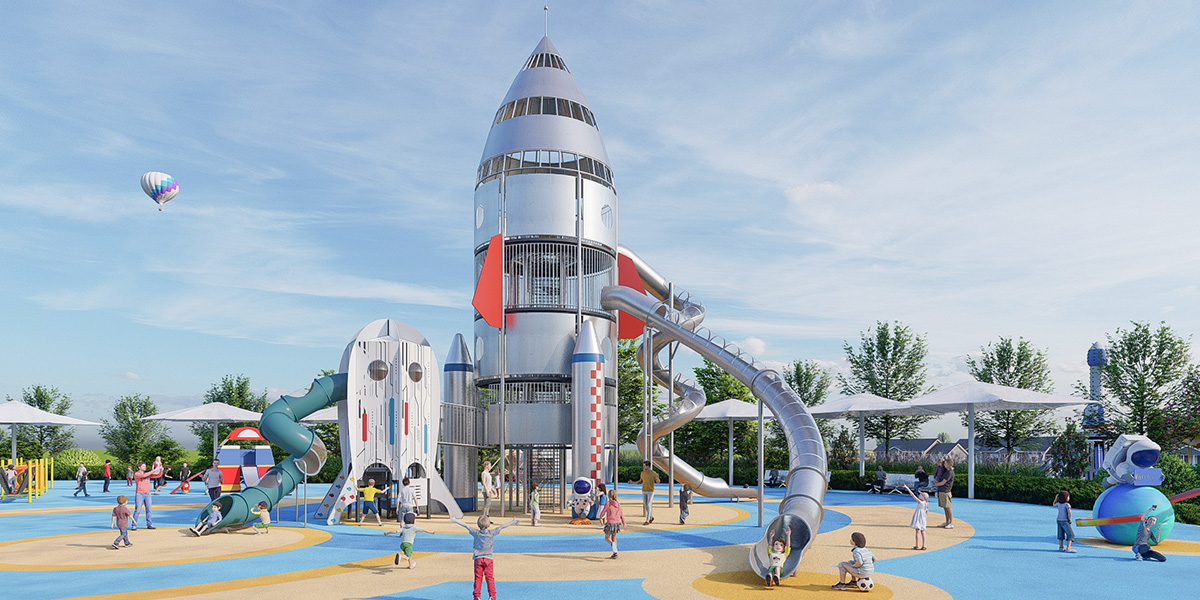
Combination slides integrate climbing, sliding, crawling, and more into a single structure, making them the centerpiece of any outdoor playground.
1. Vestibular Stimulation and Spatial Perception
The changes in speed and gravitational acceleration during sliding effectively stimulate children's vestibular system—the internal sensory network responsible for processing information about gravity, balance, and spatial orientation. Children who frequently use slides tend to develop stronger spatial awareness and body perception, which lays the foundation for later skills such as reading, writing, and other activities that require spatial judgment.
2. Core Muscle Engagement and Body Control
To maintain a seated posture while sliding down, children must engage their abdominal and back core muscles. When they reach the bottom, they coordinate their legs to "brake." This sequence of movements builds muscle strength, balance, and overall body coordination. The varied climbing entry points on combination slides also require children to mobilize multiple muscle groups, enhancing hand-eye-foot coordination.
Climbing Structures: A Forge for Courage and Full-Body Strength
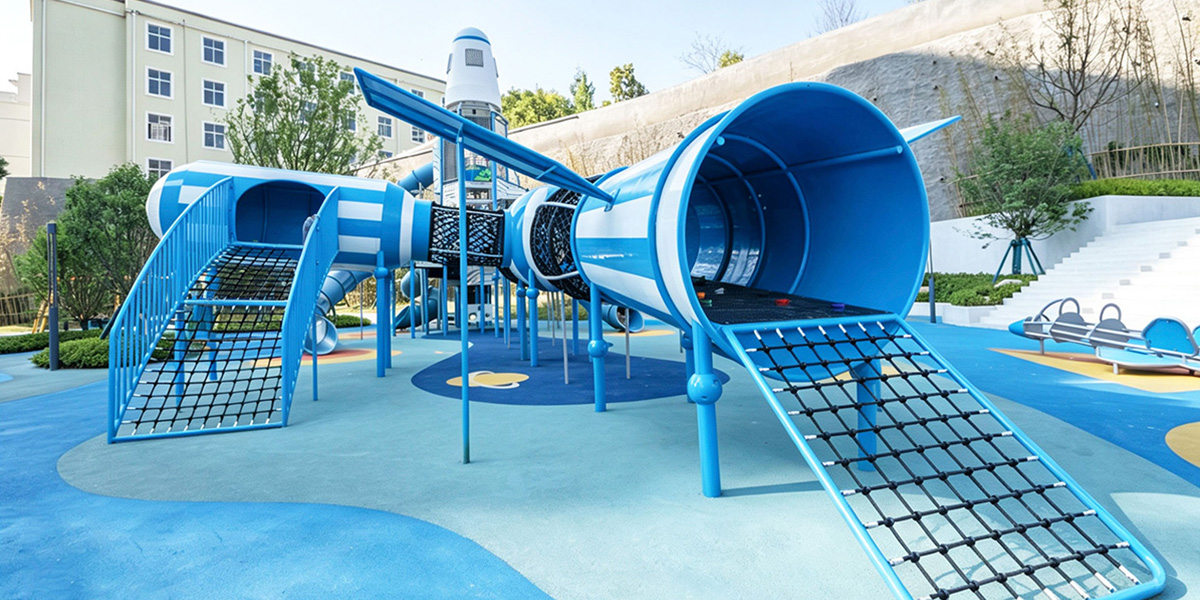
Climbing is an innate human instinct, and well-designed climbing frames transform this natural urge into a structured developmental opportunity.
1. Balanced Full-Body Muscle Development and Depth Perception
Climbing is one of the few activities that simultaneously strengthens upper body, lower body, and trunk muscles. Strong upper body strength directly supports future writing abilities, while stable lower body and trunk muscles are essential for good posture. Irregular climbing surfaces also enhance children's depth perception and 3D spatial awareness, promoting cognitive development.
2. Risk Assessment Skills and Self-Confidence
Each upward climb is a dialogue between a child and their own fears. They must assess heights, choose handholds, and overcome psychological barriers. When they finally reach the top, the sense of accomplishment—"I did it!"—builds a kind of self-confidence that no amount of praise can replicate. This type of safe "risky play" is actually the best way to cultivate children's self-protection awareness and risk-assessment abilities.
Swings: A Secret Tool for Vestibular Stimulation and Emotional Regulation
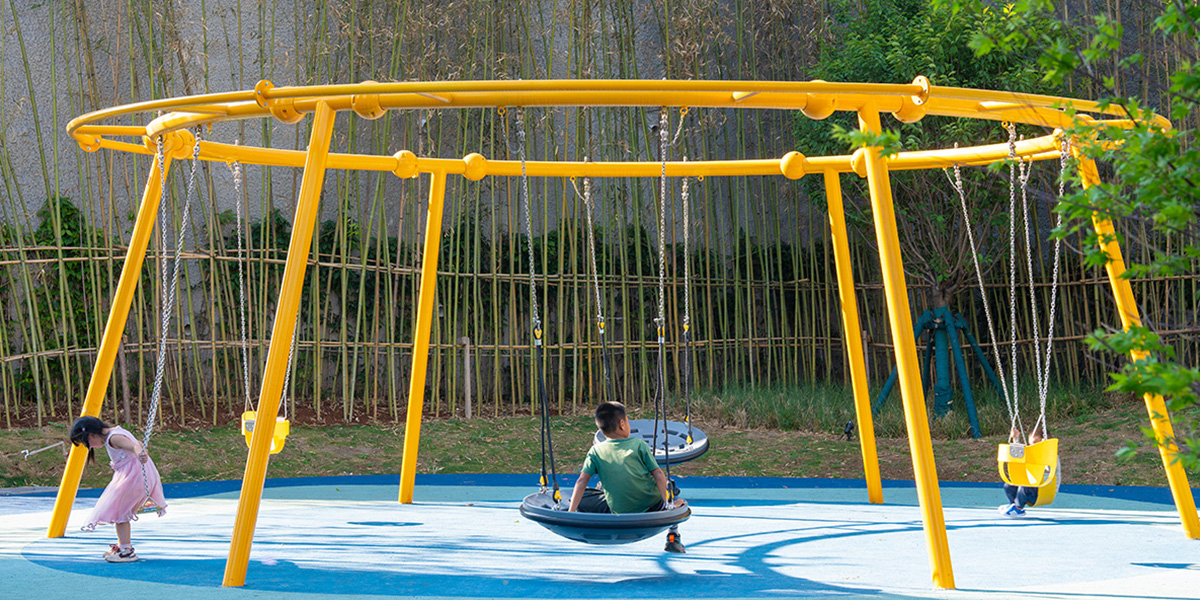
Swings may appear simple, but their motion path holds profound developmental value.
1. The Most Effective Vestibular Stimulation
The forward-backward swinging motion and its acceleration-deceleration cycles are among the most effective ways to stimulate the vestibular system. A well-functioning vestibular system is not only about physical balance—it also affects the brain's ability to integrate multiple types of sensory information. Research has even shown that targeted swing-based vestibular stimulation can improve gross motor function in children with low muscle tone.
2. Core Stability and Motor Planning
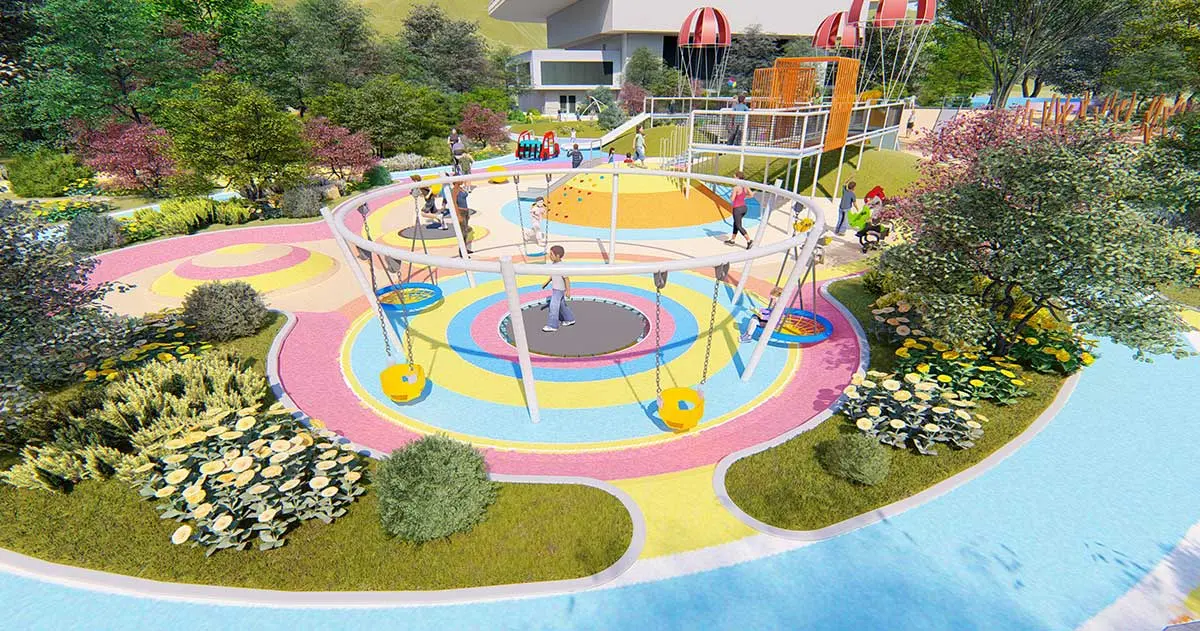
Swinging is not a passive activity. Children must engage their core abdominal muscles to stabilize their torso while coordinating their legs and body to build rhythmic momentum. This "motor planning" process trains the brain to coordinate different body parts, making children more agile in daily activities such as sports and dressing themselves. For children who are emotionally agitated, the rhythmic motion of swinging also provides notable calming and emotional regulation benefits.
Spinning Equipment: A Carousel for Balance and Social Collaboration
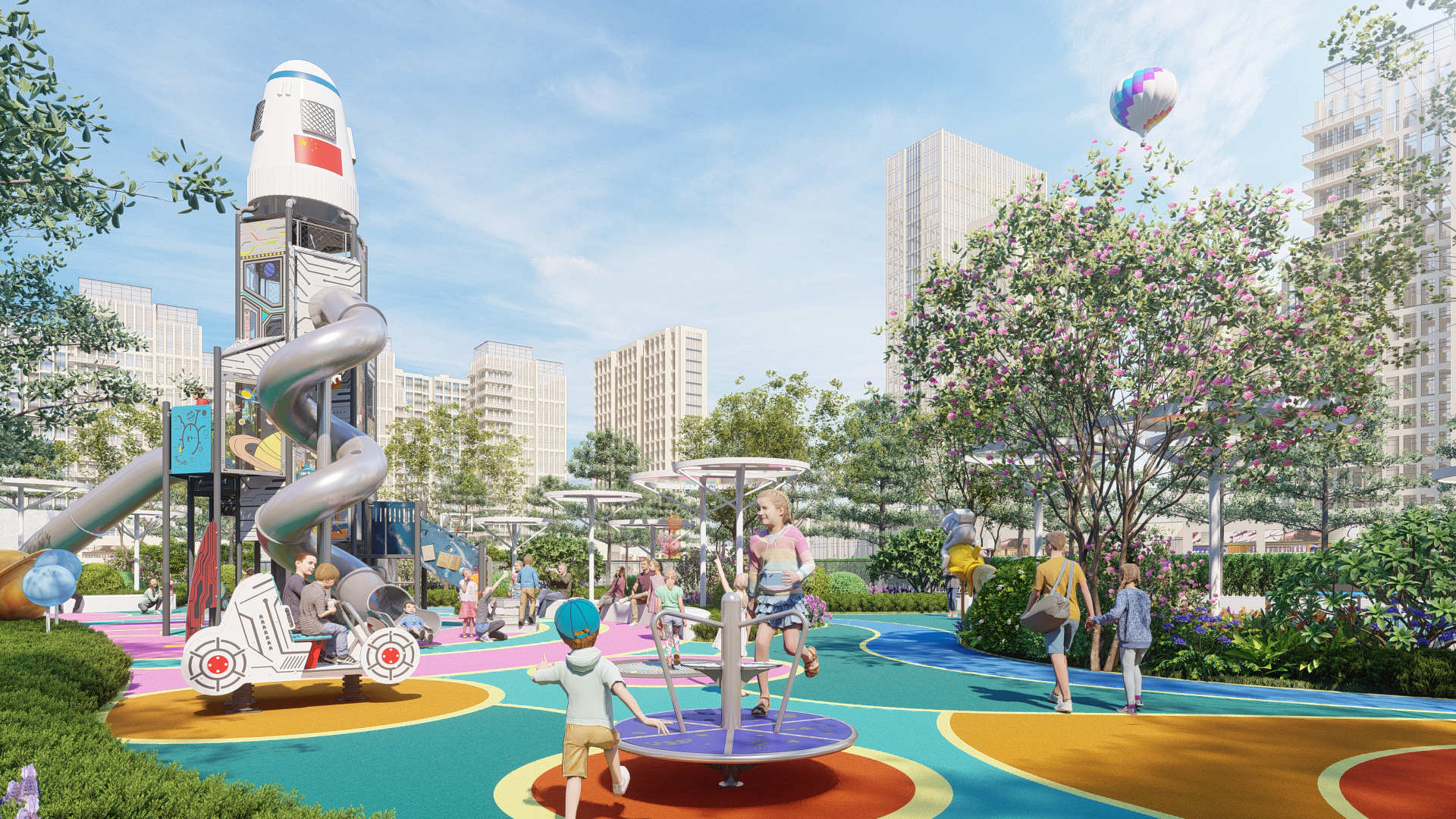
Spinning equipment is often underestimated, but the unique benefits of its rotational motion are unmatched.
1. Advanced Balance and Spatial Orientation Training
Rotational movement offers balance and spatial awareness training that few other equipment types can provide. To stay stable while spinning, children must constantly fine-tune their body posture, which strengthens core muscles and limb strength. Meanwhile, the constant change in orientation helps the brain build more complex spatial cognitive maps.
2. Social Negotiation and Inclusive Play
Many modern spinning devices—such as large spinner bowls—are designed for multiple users at once. This naturally creates social scenarios that require cooperation, negotiation, turn-taking, and sharing. Children must discuss the direction and speed of rotation, learn to consider others' feelings, and develop empathy and teamwork skills. Some low-profile, wide-diameter spinner bowls can even accommodate children with mobility challenges, making them an excellent tool for inclusive play.
A high-quality outdoor playground should aim for a balanced combination of all four equipment types. These structures do not exist in isolation; together, they form a system that promotes sensory integration (vestibular, proprioceptive, and tactile systems), gross motor skills, and social-emotional competencies.
Recommendations for Playground Planners and Operators
When planning your playground, look beyond the surface-level goal of "giving children something to play on." Instead, think strategically about how your equipment mix can create a "natural exploration laboratory" that supports children of different ages and developmental needs in exploring, taking safe risks, socializing, and growing. That is the highest value an outdoor playground can deliver—and that is exactly what we, as your equipment partner, are here to help you achieve.