How Much Can a Non-Powered Outdoor Playground Make Money?
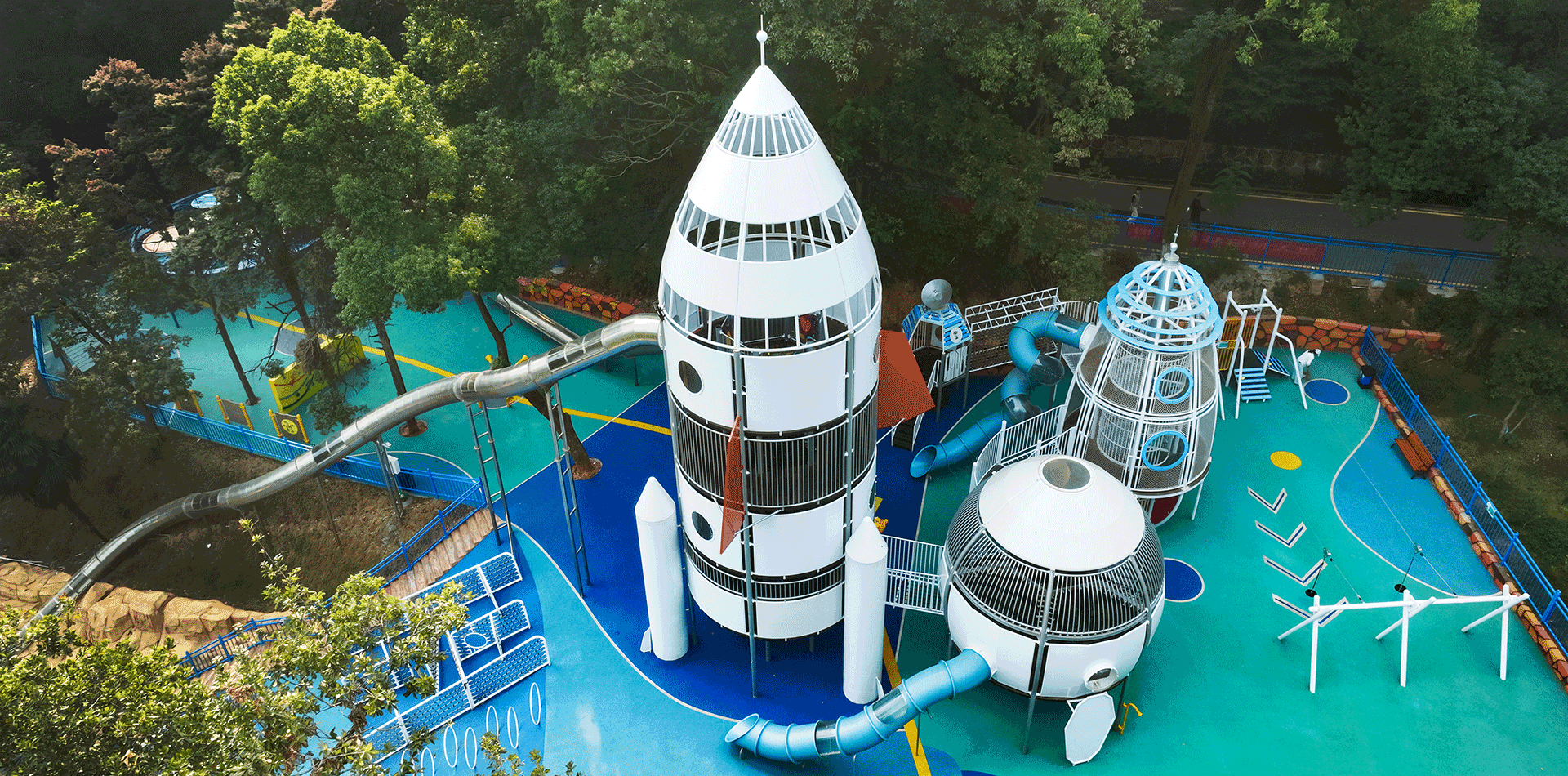
4 °CIn recent years, non-powered outdoor playgrounds have become one of the fastest-growing sectors in the family-oriented cultural tourism industry. Unlike traditional amusement facilities that rely on electricity and mechanical drives, non-powered playgrounds, centered around equipment such as slides, climbing frames, swings, and rope nets, attract a large number of families, schools, and team-building groups due to their low operating costs, high safety, and strong adaptability to various scenarios. However, for investors, the most crucial question remains: how much money can a commercial non-powered outdoor playground actually make?
I. Average Revenue of Non-Powered Outdoor Playgrounds
The revenue of non-powered playgrounds is highly dependent on location, playground size, visitor traffic, and pricing strategy. According to industry data, there are significant differences in revenue between playgrounds of different sizes:
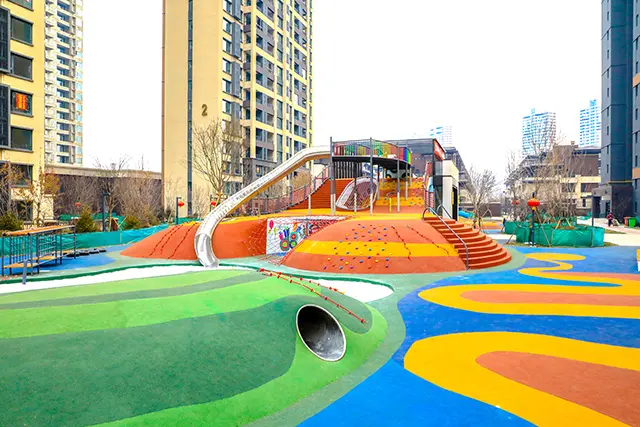
Small Community Playgrounds (500–1000㎡): Typically located in the periphery of a community or small commercial area, with an average daily visitor flow of approximately 50–80 people and annual revenue of approximately US$147,000.
Medium-sized integrated complexes (1000–5000㎡): Township-level or suburban projects, with an average daily visitor flow of 100–150 people and annual revenue of approximately US$294,000–442,000.
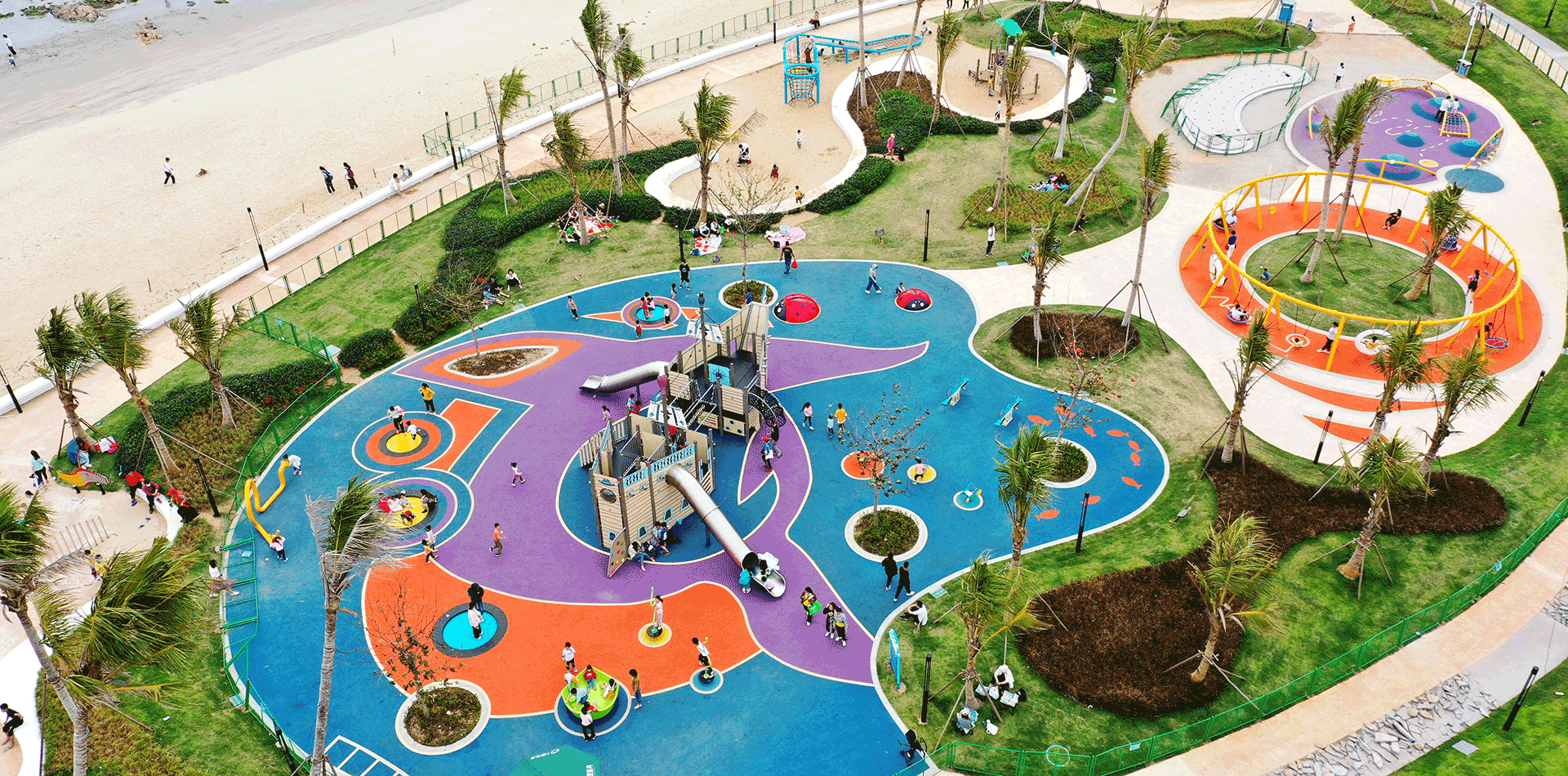
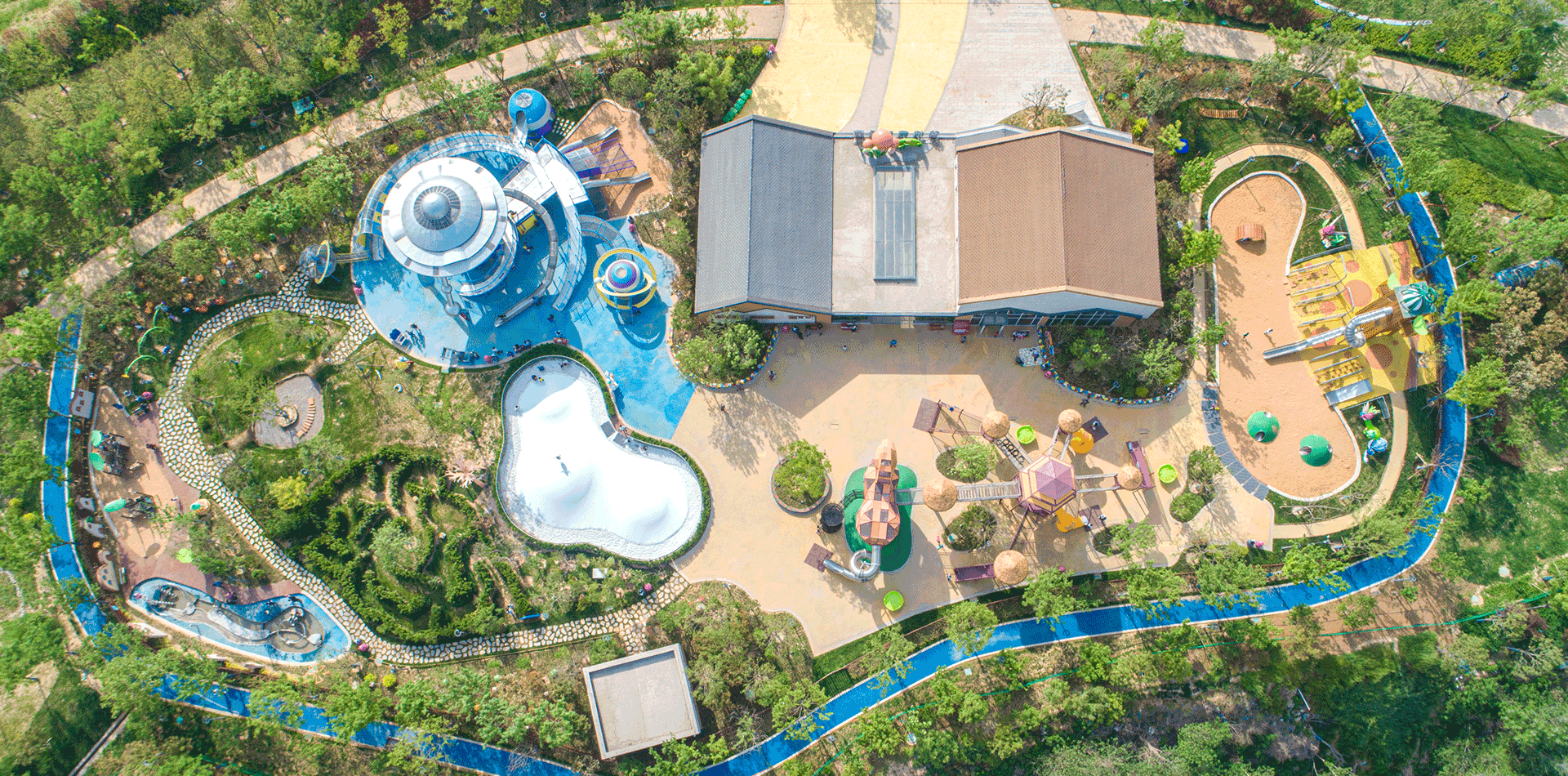
Large-scale cultural and tourism theme parks (over 5000㎡): Relying on scenic spots or large commercial complexes, with an average daily visitor flow of over 200 people and annual revenue reaching US$589,000–883,000 or even higher.
Regarding revenue structure, ticket sales are the primary source, but secondary consumption (food, retail, and merchandise) is becoming an increasingly important growth point, typically accounting for 20%–30% of ticket revenue. For some outstanding theme parks, secondary consumption can even reach 35%–45%.
II. Profit Margin and Operating Costs
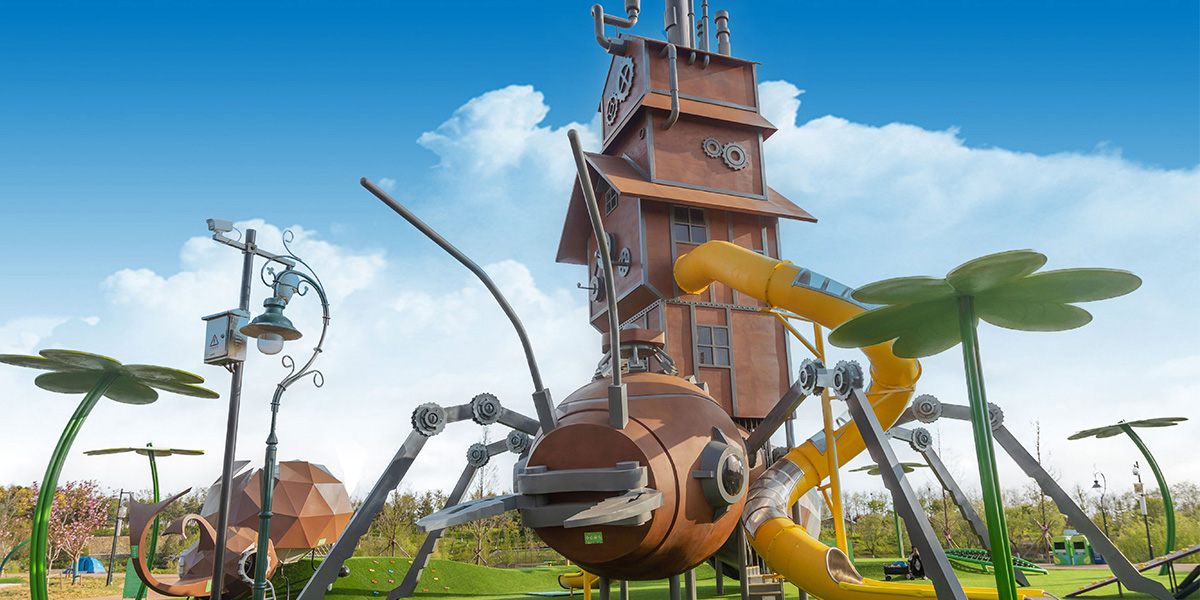
A major advantage of non-powered theme parks compared to traditional powered one is their extremely low operating costs. Non-powered outdoor play equipment requires no electricity, has a very low mechanical failure rate, and operating costs (OPEX) are less than a quarter of those of powered theme parks.
It is worth noting that non-powered play sets have a lifespan of 8-10 years, and its long-term return on investment is nearly 40% higher than that of electric equipment.
III. Key Factors Affecting Profitability
The profitability of non-powered outdoor amusement parks is affected by several factors:
1. Site Selection and Traffic Flow
Site selection is the primary factor determining success or failure. Parks located in mature commercial areas such as shopping malls and scenic spots can achieve a daily natural traffic flow of over 5,000 people, increasing visitor traffic by 40%-60% and shortening the payback period by 3-6 months. In contrast, areas with inconvenient parking or traffic congestion may see a 20%-30% decrease in visitor traffic.
2. Seasonal Fluctuations
Outdoor amusement parks are significantly affected by weather. Winter visitor traffic may decrease by 40%-60%. The rainy season also presents challenges in terms of visitor flow. Adding a removable roof or expanding the indoor area (increasing costs by 5%-10%) can effectively balance revenue throughout the year.
3. Equipment Differentiation and IP Development
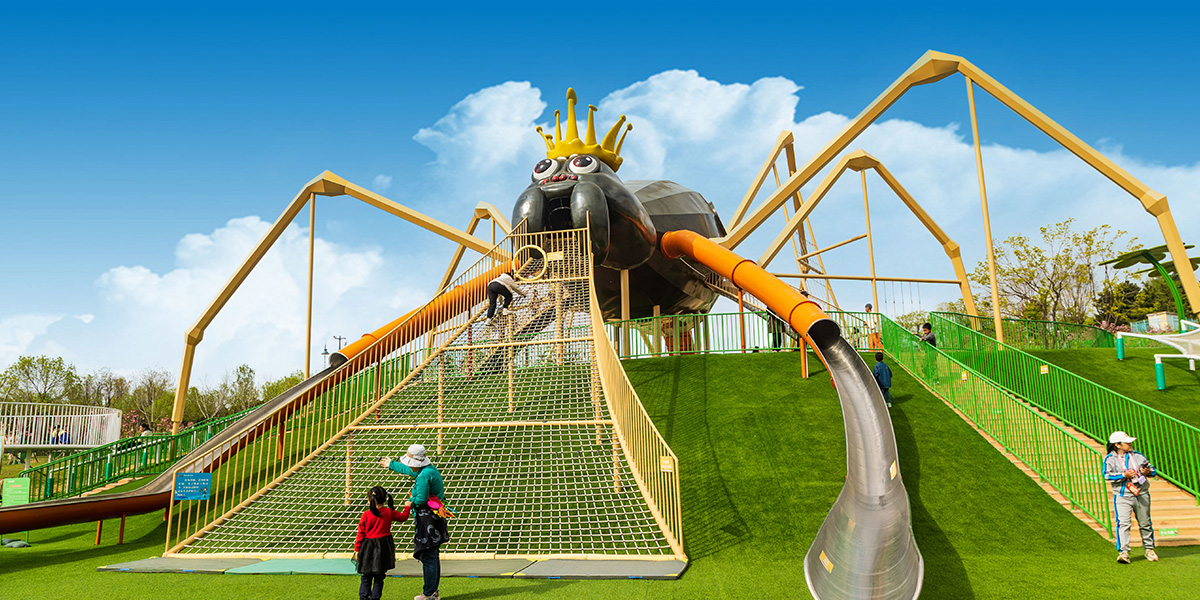
Over-reliance on trendy rides (such as rainbow slides) can easily lead to homogenized competition, potentially driving ticket prices down to below $7.40. Customized playground rides incorporating local culture or themed IP can increase the average spending per customer to $11.8–$17.70, with a 50% increase in repeat purchases.
4. Diversified Revenue Streams
The simple "ticket + simple retail" model is no longer sustainable. Successful parks often integrate educational programs, camping, dining, hands-on experiences, team building activities, and other diversified formats. The "ticket + educational + dining" model can increase average spending per customer to $29.1–$36.40, shortening the payback period by 30%.
Some well-performing projects have even shorter payback periods. Industry data shows that 60% of new projects in county-level markets are located in third- and fourth-tier cities, with the average investment return period for a single project shortened to 8–12 months. Through asset-light joint ventures and revenue sharing models, initial investment risks can be further reduced.
V. How to Improve the Profitability of Non-Powered Outdoor Parks
To maximize revenue, operators can adopt the following strategies:
1. Create a Composite Revenue Model of "Tickets + Secondary Consumption"
Adding secondary consumption scenarios such as dining areas, themed shops, and parent-child courses can increase the average transaction value by 30%–50%. When the annual membership card system covers more than 30% of users, the average number of repeat purchases per year can increase from 2.3 times to 5.1 times.
2. Incorporate Themed IPs and Differentiated Designs
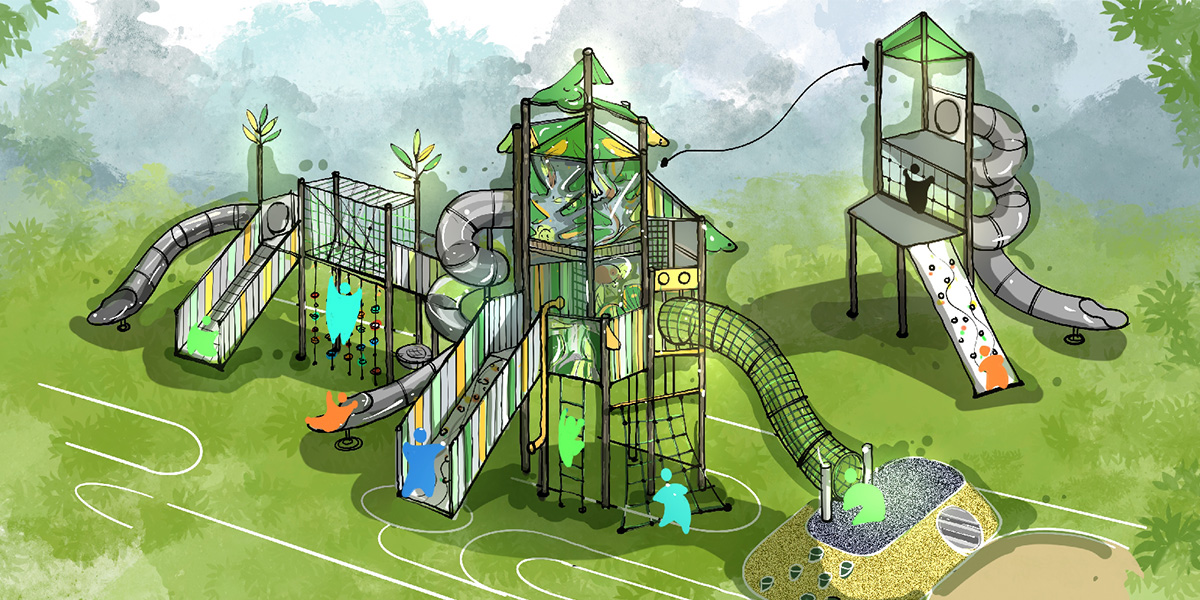
Customizing designs based on local culture or popular IPs avoids homogeneous competition. Non-standard customization + themed IPs have become key to profitability.
3. Expand the Market for Study Tours, Team Building, and Activities
Cooperating with schools and enterprises to conduct study tours and team building activities expands the weekday customer base.
4. Adopt a Light-Asset Operation Model
Partnering with commercial complexes or scenic spots, using revenue sharing (usually 20%–30%) instead of fixed rent reduces initial capital pressure.
5. Technology Enhances the Experience
Introducing AR interactive devices can increase the average order value by $7.4–$11.8 and increase repeat purchase rates.
Frequently Asked Questions
1. How much does it cost to open a non-powered outdoor amusement park?
Investment ranges from $74,000 to $2.944 million, depending on the size of the park, its location, and the degree of customization.
2. Is a non-powered amusement park a good investment?
Yes. Compared to powered amusement parks, non-powered amusement parks have the advantages of lower investment threshold, lower operating costs, and shorter payback period. With the continued upgrading of family consumption and the trend of "light cultural tourism," the industry has an average annual compound growth rate.
3. What are the most profitable services for non-powered amusement parks?
Study tours, team building activities, food and beverage retail, and membership systems are the main profit growth points. Successful parks can achieve a secondary consumption rate of over 35%.
4. How to reduce the operating costs of a non-powered amusement park?
Modular play equipment can reduce maintenance costs by over 20%, saving an average of $15,000–$22,000 annually; revenue sharing with site owners reduces rental pressure; and choosing equipment suppliers that include installation and transportation can avoid additional logistics costs.
Non-powered outdoor amusement parks are riding the wave of the family tourism industry. With the core advantages of low investment thresholds, low operating costs, and high safety, they offer investors a track with both stable returns and long-term growth potential. However, success is not simply about "buying equipment and selling tickets"—precise site selection, differentiated theme design, diversified revenue structures, and continuous operational innovation are the keys to a park's sustainable profitability. For investors interested in entering the market, a well-designed and efficiently operated non-powered outdoor theme park is not only a profitable business, but also a long-term endeavor that serves families and empowers the community.