Zoning Outdoor Play Equipment This Way: Kids Never Get Bored, Parents Have Peace of Mind
94 °CBuilding an outdoor playground is far more complex than simply buying and assembling equipment. A truly engaging, reassuring, and enduring playground hinges on age-appropriate design. Children of different ages have vastly different physical abilities, cognitive abilities, and risk tolerance. Using the wrong equipment not only makes the playground less fun but can also pose safety hazards.
We have categorized outdoor Playground equipment set into four main types based on their functional characteristics and core age groups. This guide aims to help you establish a clear selection framework.
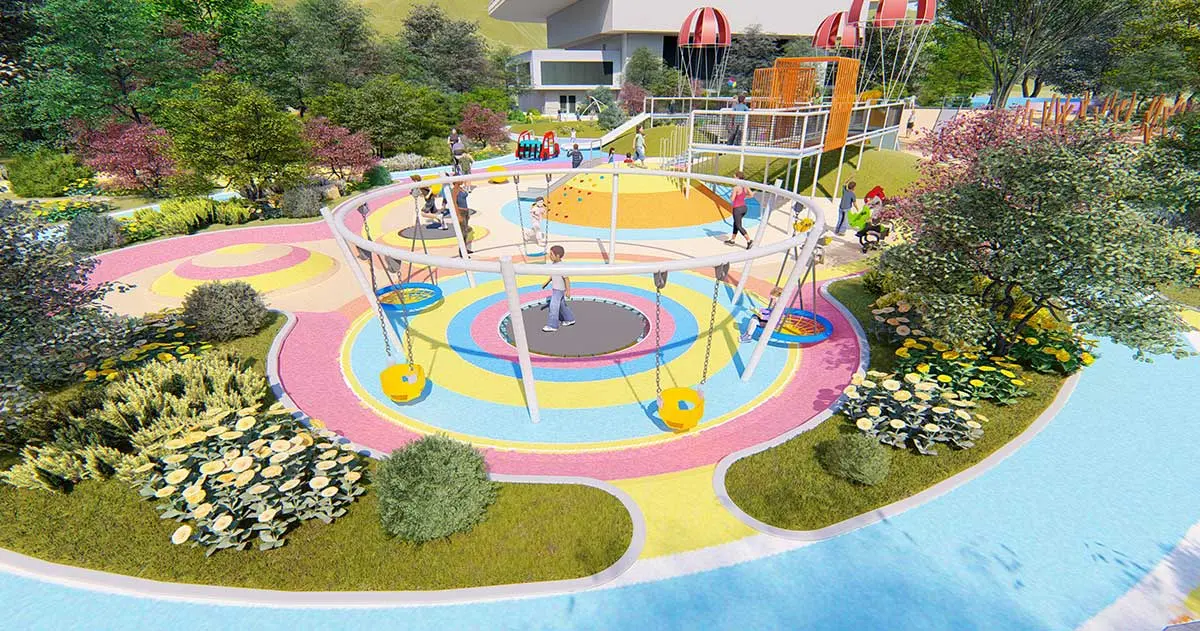
I. Sensory and Early Learning Equipment (Core Age: 0-3 years)
Infants and toddlers at this stage are in a sensory exploration phase, primarily learning about the world through touch, hearing, sight, and feel, while their large muscle groups are just beginning to develop. Safety is absolutely paramount.
Equipment Types and Examples: Sandpit, wading pool (shallow water), low climbing ramps, rocking horses, spring seats, small percussion instruments, tunnels.
Key Design Considerations: The ground must be soft (EPDM or sand), the equipment should have no sharp edges, and be very low. Seating areas with parental supervision are necessary, and visibility should be unobstructed.
Site Recommendation: These playground facilities are best located near entrances/exits or rest areas for easy parental supervision.
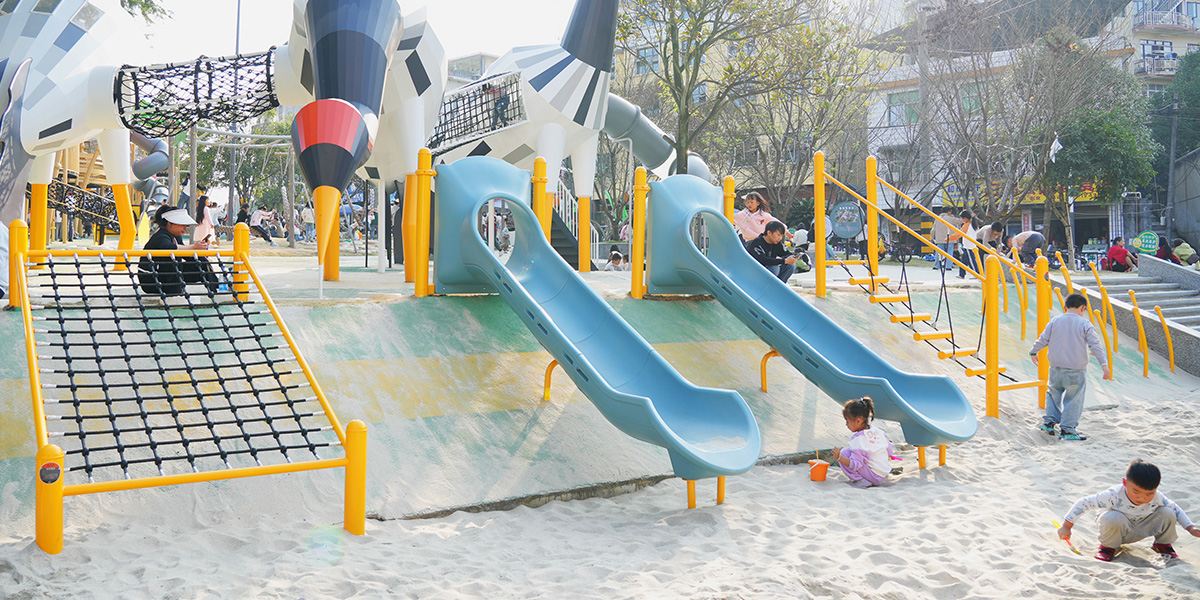
II. Basic Physical and Social Skills (Core Age Range: 3-6 years)
Preschool children begin to have a strong desire for social interaction and enjoy imitation and playing with friends. Their balance and coordination are developing rapidly, and they enjoy activities that are challenging but not excessively dangerous.
Equipment Types and Examples: Small combination slides (platform height usually less than 2 meters), climbing ramps/low climbing nets, bird's nest swings, seesaws, swivel chairs, balance paths, megaphones, and other interactive facilities.
Key Design Considerations: Sufficient buffer space must be provided at the slide exit. The mesh size and handrail spacing of the climbing net should be suitable for young children's hand shapes (reference standard: handrail spacing 8-12 cm). A cushioning mat at least 5 cm thick is recommended.
Site Recommendations: This is the most popular area of the playground, requiring spacious aisles and room for multiple children to queue and play simultaneously.
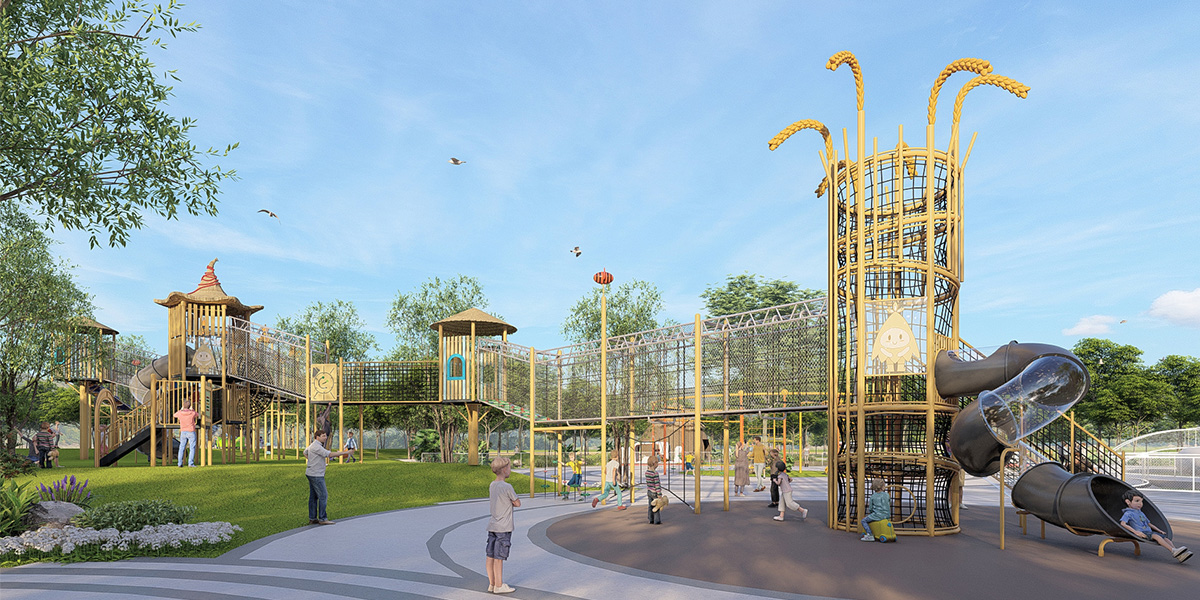
III. Challenge and Skill-Based Activities (Core Age Range: 6-12 years old)
Children at this stage are energetic, pursue speed, height, and skill, and enjoy testing their physical limits. They can handle more complex rules and routes.
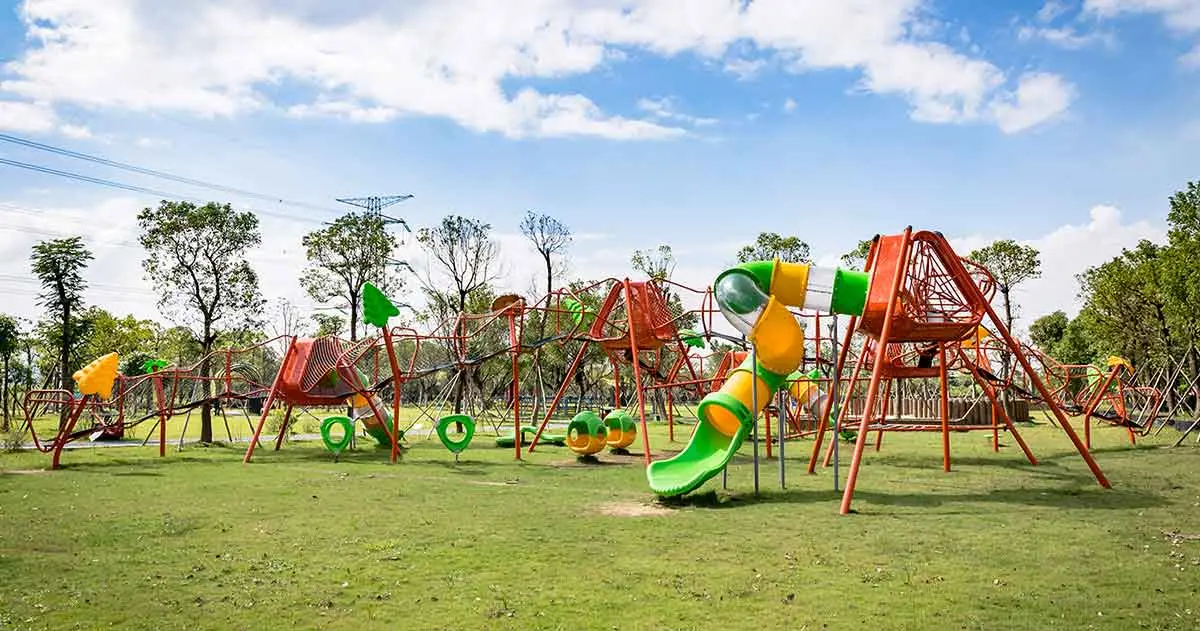
Equipment Types and Examples: Large combination slides (including spiral and wave slides), high-altitude climbing frames/3D climbing nets, zip lines, rotating discs/extreme spinning wheels, physical fitness training routes (such as balance beams, hanging rings), themed castles/connecting corridors.
Key Design Points: High-intensity activity areas must have more stringent cushioning protection (due to high fall heights). The steel structure of the equipment must be rust-proofed (304 stainless steel recommended), and plastic parts must be UV-resistant to ensure safety under long-term sun and rain exposure.
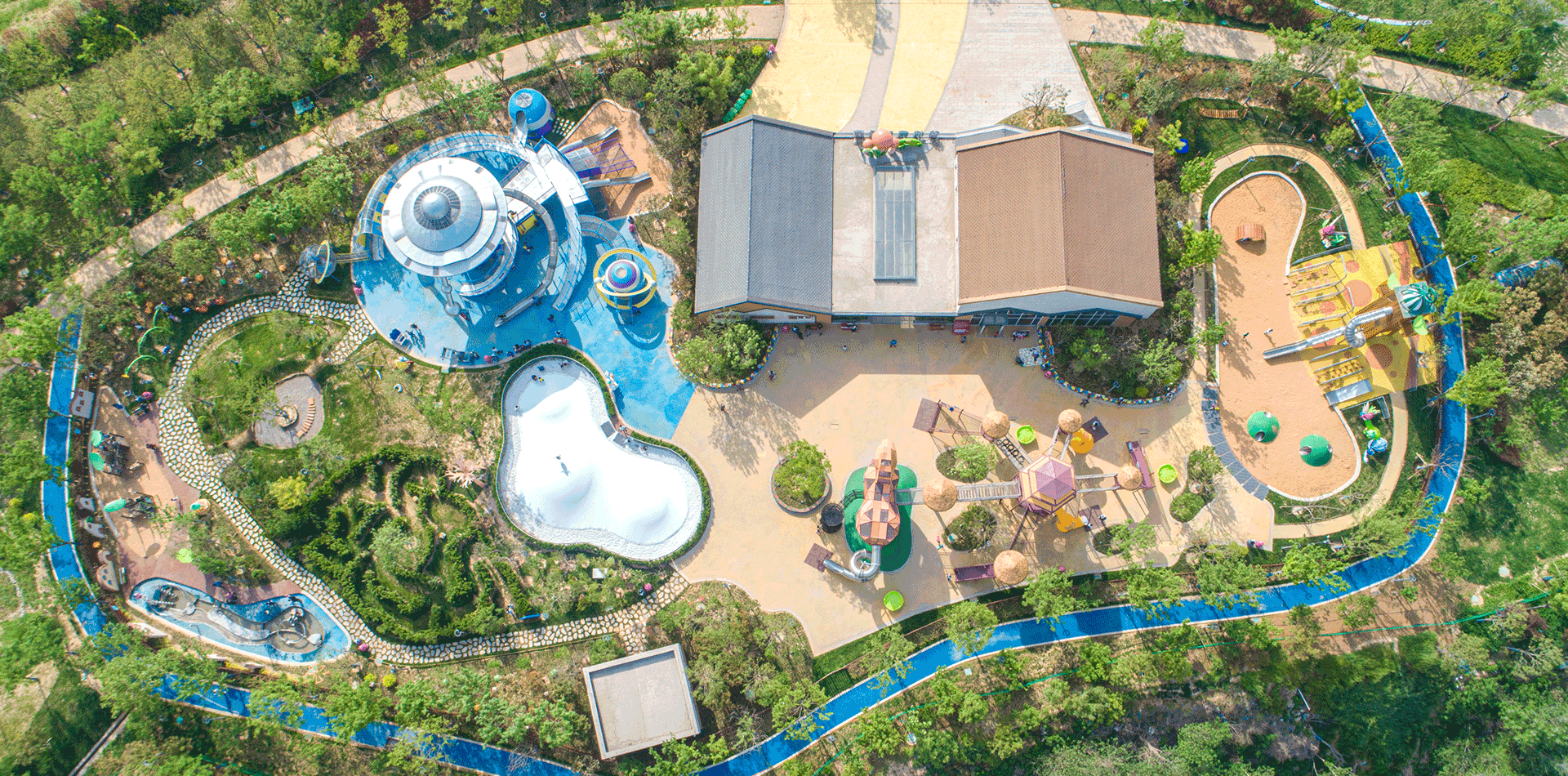
Site Recommendations: This area should ideally be a separate zone, softly separated from the younger children's area by greenery or fencing to prevent older children from bumping into younger children.
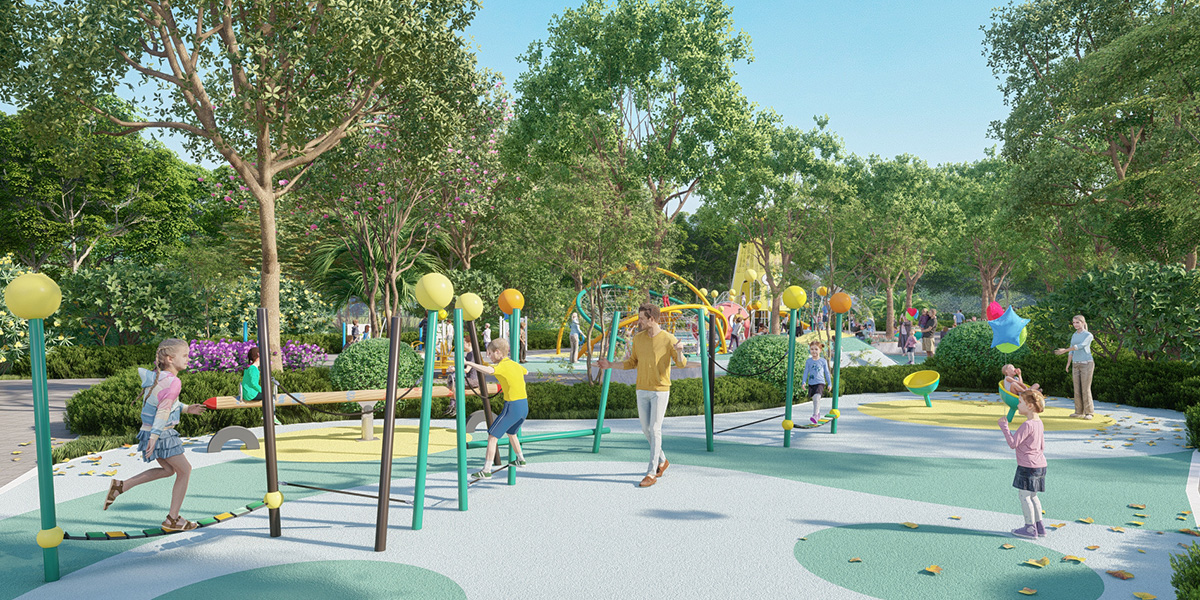
IV. Themed Park Equipment (All Ages/Specific Applications)
These types of equipment usually require extra attention to safety regulations and site conditions.
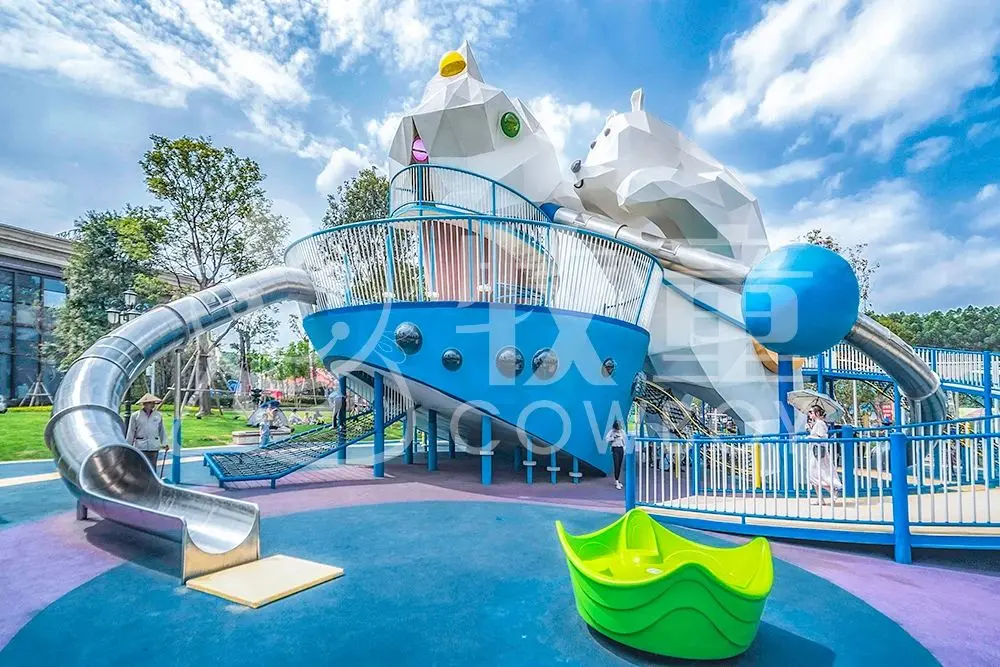
Customized Themed Park Equipment (Non-standard Equipment): If you need to create a unique IP or landscape (such as a forest castle or pirate ship), high-end 304 stainless steel or food-grade HDPE materials are typically used for customization. This type of play equipment has excellent visual effects, but the material standards and warranty period must be clearly stated in the contract.
Summary: Core Recommendations for Your Selection
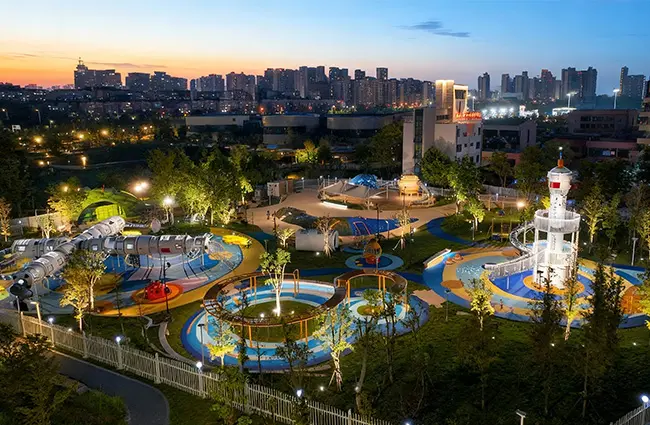
Age Group First, Type Second: Clearly define which age group your project primarily serves. If the venue is large enough, be sure to zone the equipment. Strictly separate equipment for 0-3 years, 3-6 years, and 6-12 years. This is a prerequisite for safety and a reflection of professionalism.
Safety is Paramount: The thickness of the cushioning mats, the rust and corrosion resistance of the steel structure, and the UV resistance level of the plastics are three aspects that should never be compromised to save on budget. Choosing the right materials upfront can avoid 90% of maintenance troubles and safety hazards later.
Don't Forget the "Companions": Design sufficient and comfortable seating for parents around the playground facilities area, with sunshade considerations. A positive parental experience leads to longer playtime for children and higher repeat purchase rates.
If you can provide specific venue dimensions, budget, and the age distribution of your target customer group, we can offer more detailed custom playground design suggestions.