Will Your Playground Still Be Popular Three Years from Now? Before Choosing a Supplier, Ask These Crucial Questions.
69 °CWhen you want to build a playground or a theme park and need customized park design and playground rides, you have the funds and land, but find yourself surrounded by a massive number of play equipment quotes and generic products, with huge price differences in the market, making it difficult to know where to start. You don't want your project to fall into mediocrity from the start; you're not just "choosing equipment," but betting on customer traffic, revenue, and brand reputation for the next five to ten years.
1. What you're buying: From purchasing playground equipment to buying "certain customer traffic and experience"
What you need is not a pile of steel and fiberglass, but "guaranteed customer traffic after opening" and "three years of continued novelty."
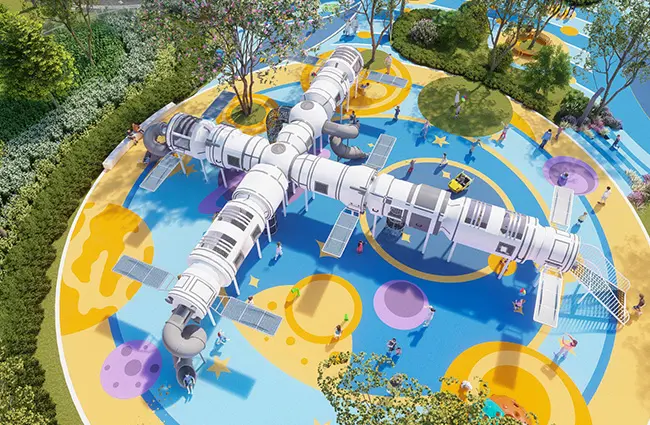
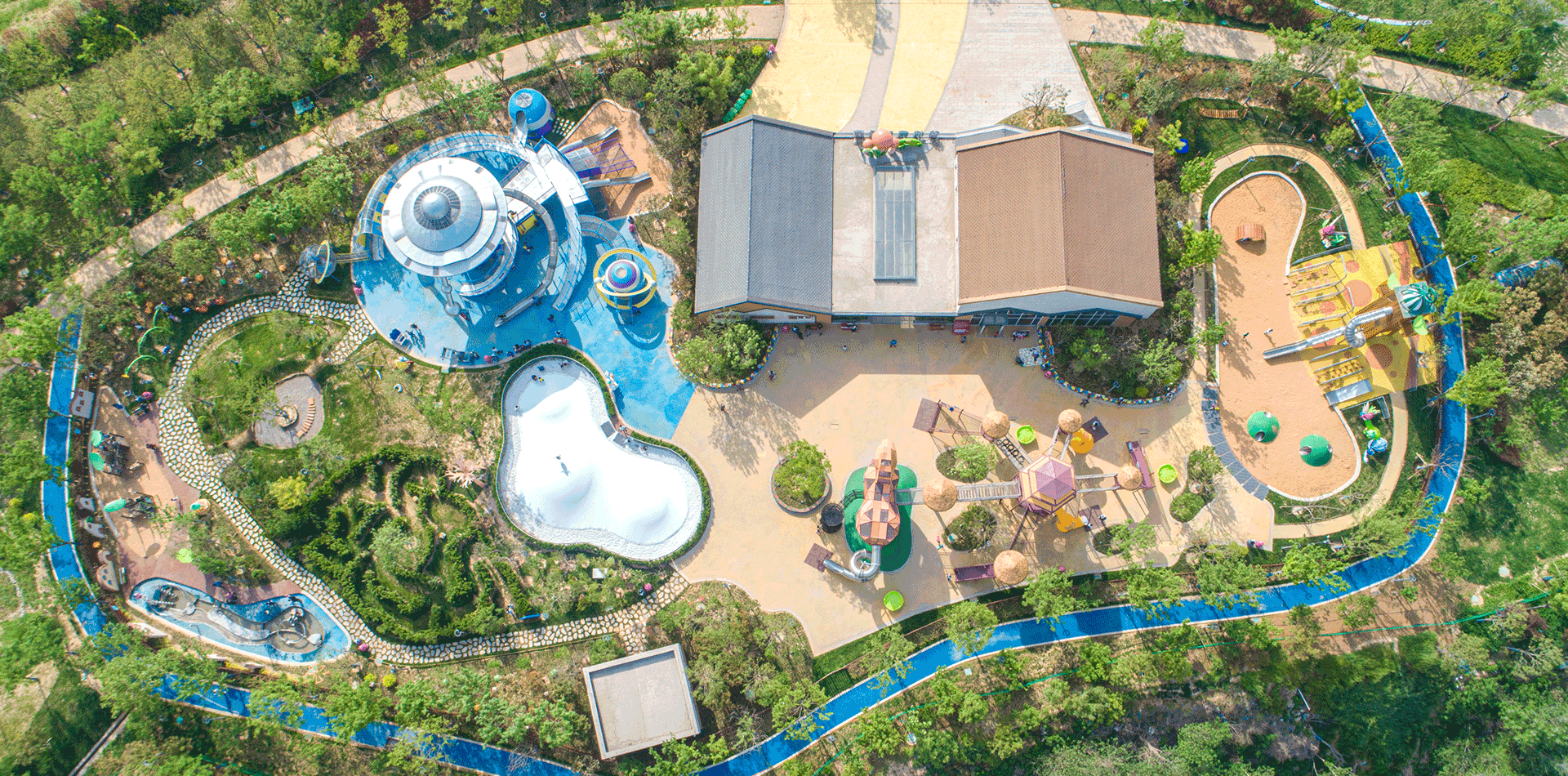
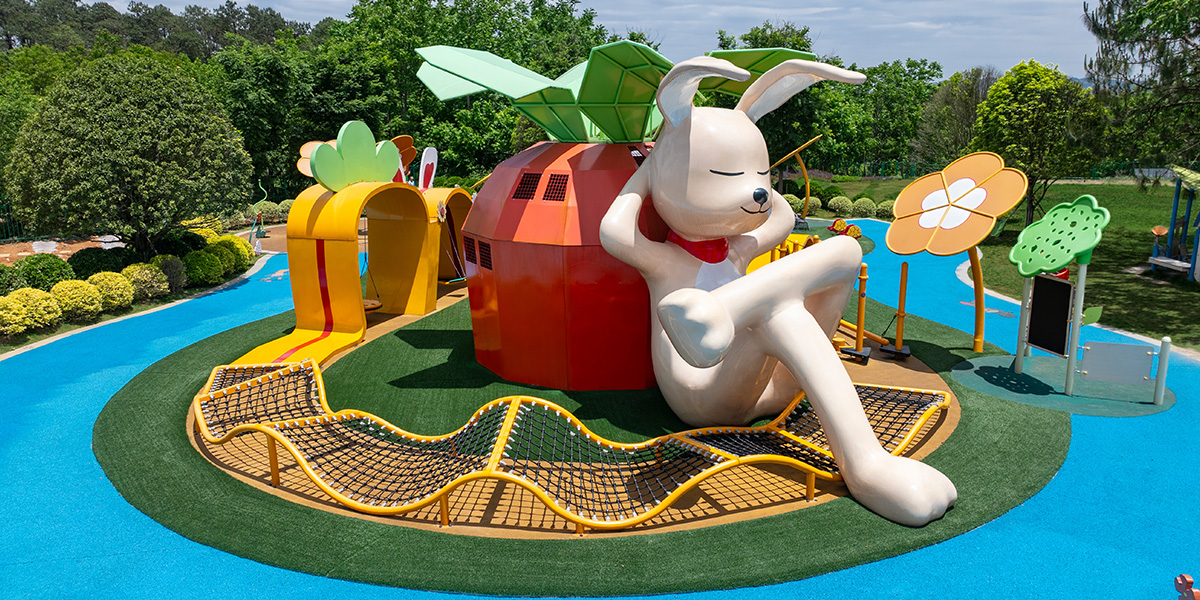
Reject “one-size-fits-all templates," demand "customized scenario solutions." For community-supported amusement parks, you need high-frequency, low-maintenance play facilities that promote neighborhood social interaction—"everyday necessities"; while for resorts, you need "immersive experience installations" that can carry IP stories and have a closed loop of secondary consumption. A mature and professional playground provider should be able to offer integrated advice encompassing "equipment + content + operational flow," such as tailoring a "story-driven treasure hunt" for your shopping mall, making the equipment itself part of the narrative rather than just a cold facility.
Focus on "long-tail customers" and tap into value innovation: If you find special needs children's rehabilitation institutions or upscale communities nearby, consider requesting sensory-friendly equipment from your supplier. This is not only a social responsibility but also helps you precisely target a group of highly loyal, high-spending families, avoiding direct competition with ordinary playgrounds.
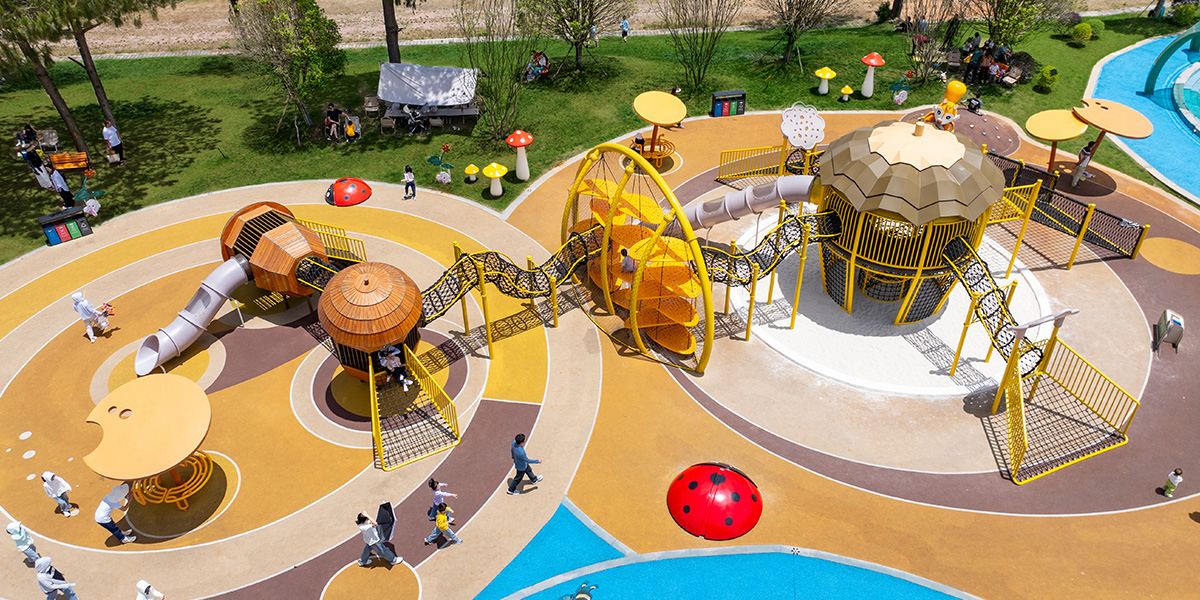
2. Re-evaluate playground solutions suppliers: Not just products; they offer "the ability to generate sustainable revenue."
When suppliers are still showing you static renderings and equipment parameters, ask them: "How will my equipment remain attractive in the third year?"
Make the equipment "evolv," and examine whether the supplier has the capability for "content as a service." For example, can the equipment have a built-in AR interface? Can they change the interactive theme or storyline every quarter? This means your secondary investment costs will be significantly reduced, and your equipment assets will continue to appreciate in value.
Demand Security: Don't just look at the exterior; ask for 3D animations and factory VR to visually demonstrate the internal welding processes and safety redundancy designs. You have the right to know where every penny is spent on safety details. Furthermore, a playground equipment supplier willing to share real reports and technical analyses is often more trustworthy than one that only showcases success stories, as this reflects respect for industry risks and a responsible attitude towards your investment.
3. Reconstruct the "Cooperation Framework": You're not choosing a manufacturer, you're choosing a "long-term ally."
Explore the possibility of "IP collaboration": If a supplier can establish revenue-sharing partnerships with popular animation or game studios (such as co-branded themed slides), you can obtain a free short-term license for exclusive IP content. This is much more convenient than negotiating IP collaborations yourself and can precisely attract a fan base, ensuring immediate success upon opening.
The next time you face an outdoor playground supplier, shift your focus from "How much does this equipment cost?" to "What unique long-term value can this playground solution create for my overall business?" You are not buying equipment, but investing in a value play system that can grow on its own, continuously attract customers, and withstand homogeneous competition from the surrounding area.